Table of Content
Given the issues with touch sensitivity and the potential for reliability problems down the line, I’m of the position that the fabric cover on the Home Mini is one toke over the line of form versus fashion. It does look very cool and presents nicely, but that clearly comes at a cost to the product’s usability and longevity. Not only are they not truly wireless (there’s a fairly sizeable cable connecting the buds), people have complained about poor fit, wonky connection, and a poor integration with Google Translate.
Much like connected speaker pioneer Sonos, Google isn’t sharing any specs on the loudness of the Max. The company did say that the device is 20 times more powerful than the original Google Home. I didn’t have 20 Google Homes at hand to test that, but I can confirm that it can get very, very loud. Chances are, you will barely ever play music at 100%, and even 75% should be enough to throw a good-sized party.
Setup / Google Assistant
And if you don't want the speaker to constantly be listening for the activation phrase "OK, Google," you can mute the microphone with a button on the back. The main issue with the Google Home has little to do with the Home itself. For $130, the Home more than earns its keep -- and it keeps getting better. It's well worth your consideration, especially if you're invested in Android, Chromecast or any of the Home's compatible smart home platforms.
Tap on either side to turn the volume up or down; tap quickly in the middle to pause or play, or press and hold to get Assistant. The other thing it's supposed to do — be a speaker — is just okay. It's loud, and has stunning bass depth considering how small it is. It's also significantly more expensive than Google Home ($299 compared to Home's $129). With that price comes a gigantic increase in quality — Home sounds tinny and cheap by comparison.
Gallery: Google Home Max review | 12 Photos
Google Home offers meatier bass and a more rounded sound, but the new Echo goes much louder. Google Home’s 100% volume wasn’t as loud as I’d expected it to be, and once you get to about 70% it starts to feel a little distorted. There’s also the issue that although the Home is more ambitious with its media playback, it hasn’t worked out a way for you to access this functionality in a way that’s simple enough to be done with your voice. There’s little point in having all that functionality when it’s a chore to use. Although you’ll frequently need to sign into these third-party products, once you’re in the functionality works well.
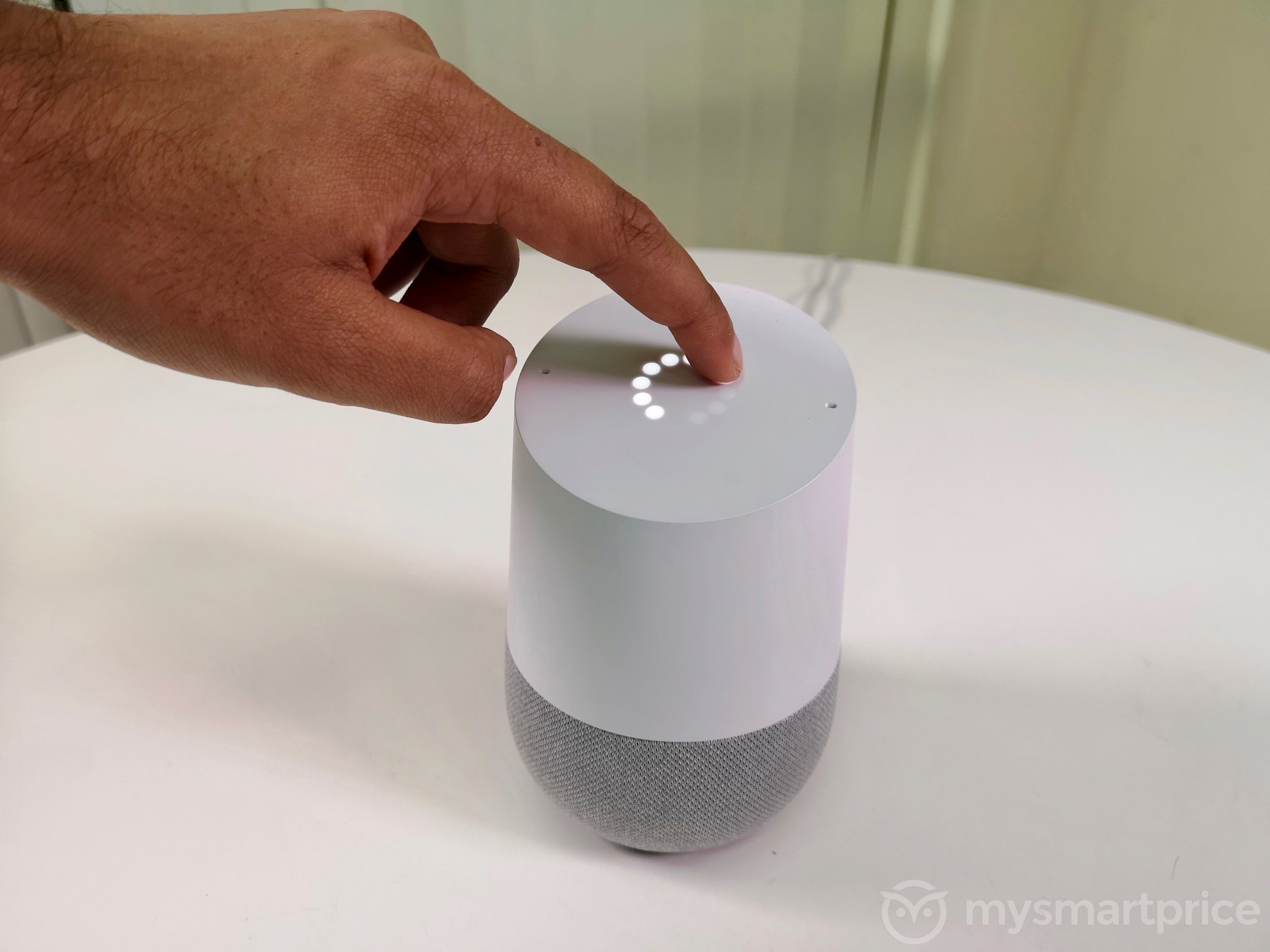
Though the Home Max's price will be a dealbreaker for some, music fans should definitely take note. The top of the speaker also includes a thin strip of touch-sensitive controls; there's a line to help orient you. Tapping the center of that line pauses or resumes music, while sliding your finger right or left turns volume up or down. I wish these controls included a way to skip forward a track, but the good news is that Google could theoretically add feature this with a software update.
Amazon Echo Dot (2nd Gen,
In conclusion the Google Home is a powerful smart speaker that can answer questions, give directions and estimated travel times for upcoming travel, control the lights, the thermostat, and your T.V. If I had stuck with Home, it's possible I'd enjoy it much more nowadays. Google Home now supports multiple users, interacts with Google Calendar, and does other stuff it didn't do near launch.

In addition to those assistant smarts, Google Home speakers also seamlessly integrate with Chromecast or Chromecast Audio devices as well as other devices using Google’s Cast technology. This means that you can tell your Google Home Max to watch a YouTube video on TV, provided you have the right device connected to the screen. Absolutely no bass, clipped highs, just crummy sound quality all around. That doesn't matter when it's just the Assistant telling you traffic conditions, but listening to music on the Home Mini is barely better than listening through your phone's speakers.
It disables the microphone, if you don’t want the speaker to listen in on you. And while Google Home excels as a DJ, it’s also a surprisingly intelligent smart home hub. It already hooks into some of the largest platforms now by including Nest, Philips and Samsung’s SmartThings, and given a few months that number will grow even more. Google Home can do some of that already, making it far and away a better system now than the Echo was when it first launched.

It’s the best way to voice control Google Play Music, and Google’s wealth of internet knowledge provides more answers to queries than any other voice assistant. Back in April, Google turned on a feature that allows Home devices to recognize your voice and customize answers to you. It can also present personalized calendar information based on who’s making the request. For example, you can ask, "What's the weather?" or "Who won the baseball game last night?" Both speakers can also control music playback.
Assistant learned a ton of new skills in 2017, including how to make calls and distinguish between voices, but user friendly features are just part of Google’s AI push. Google is already way ahead of Apple and others with Assistant, and now it’s just showing off. Michael Gowan covers soundbars, TVs, portable speakers and other audio- and video-related topics for Tom’s Guide. He’s written about music and technology for more than 20 years for a raft of publications including Wired, Men’s Journal, PC World and Macworld. When he’s not reviewing speakers, he’s probably listening to one anyway. There are other speakers in this price range that perform better, but the Google Home Max doesn't have any competitors that can match all of its features.
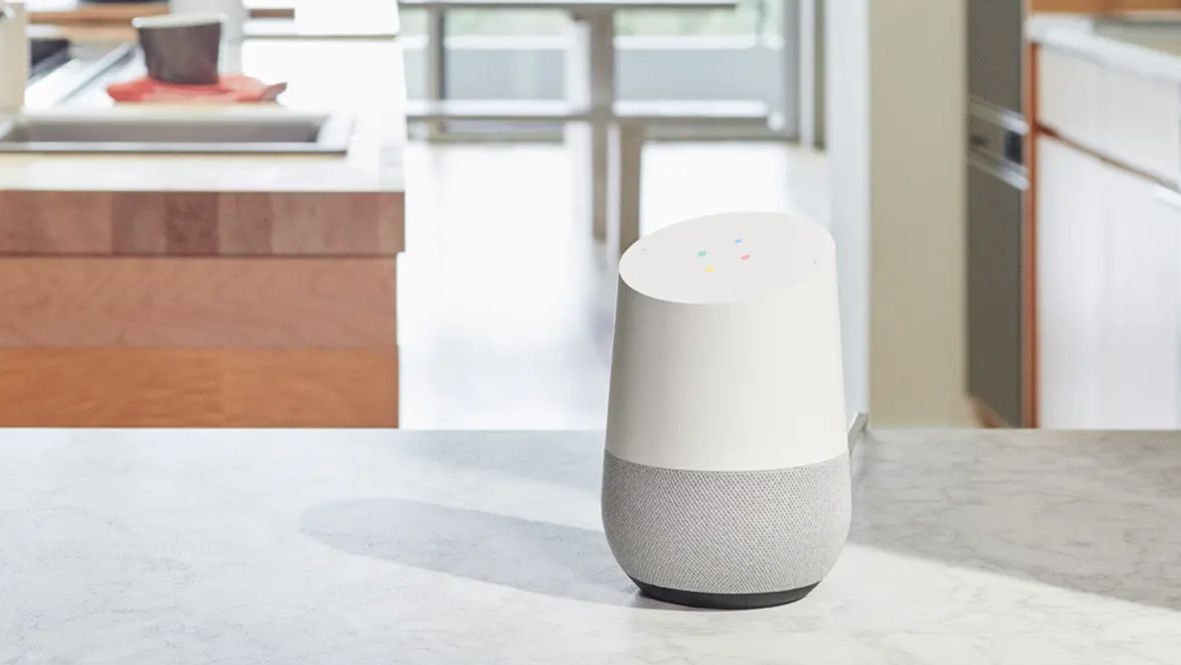
Obviously, a single speaker can’t match true stereo from two well-placed separate speakers, but the Max did do a pretty good job at reproducing painting a full stereo soundstage. And if you really wanted to, and had the money to spare, you could always buy two, and pair them up together for full stereo sound. Google’s new $399 Google Home Max speaker, which started to ship earlier this week, is the company’s first real foray into the world of home audio.


No comments:
Post a Comment